Rupture Valve
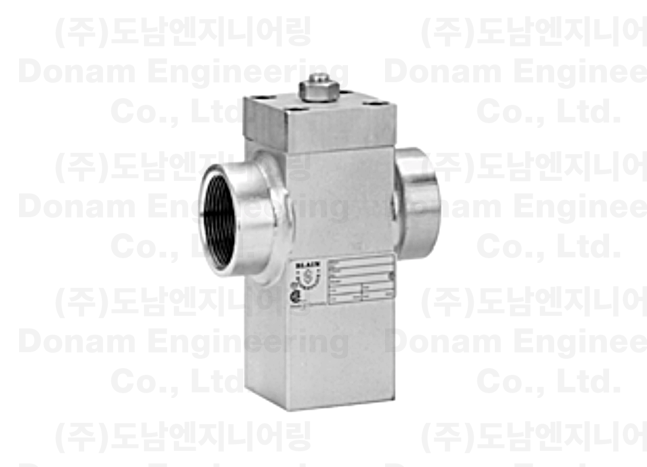
A rupture valve that stops the car gradually even if the piping ruptures
- Size
- 0.75″ ~ 2.0″
- Flow rate
- 5 ~ 800 ℓ/min
- Pressure range
- 20 ~ 70 kg/cm²
1. Rupture Valve Function
The rupture valve is connected and installed directly at the cylinder oil inlet. If the elevator accelerates suddenly above the reference speed because the main cylinder pipe line ruptures, the valve shuts off and the elevator still stops gradually and smoothly. A closed rupture valve (car stopped) opens automatically when the car is run in upward travel again. If you want an alarm device to signal when the valve has closed (elevator stopped), a valve fitted with an electrical switch device (ES: optional) can be used.
2. Basic Specifications and Models
| Item | 0.75″ | 1.0″ | 1.5″ | 2.0″ |
|---|---|---|---|---|
| Flow rate (ℓ/min) | 5 ~ 100 | 101 ~ 175 | 176 ~ 425 | 426 ~ 800 |
| Pressure range (kg/cm²) | 20 ~ 70 | 20 ~ 70 | 20 ~ 70 | 20 ~ 70 |
| Viscosity range (cSt) | 50 ~ 75 | 50 ~ 75 | 50 ~ 75 | 50 ~ 75 |
| Temperature range (℃) | 20 ~ 60 | 20 ~ 60 | 20 ~ 60 | 20 ~ 60 |
3. How to Use the Rupture Valve
The rupture valve is installed between the hydraulic cylinder and the hydraulic piping. It must allow free fluid flow in one direction and, in the other direction, automatically shut off the hydraulic flow when the flow exceeds the hydraulic set value due to pipe breakage or the like, thereby preventing the hydraulic elevator from falling.
Options
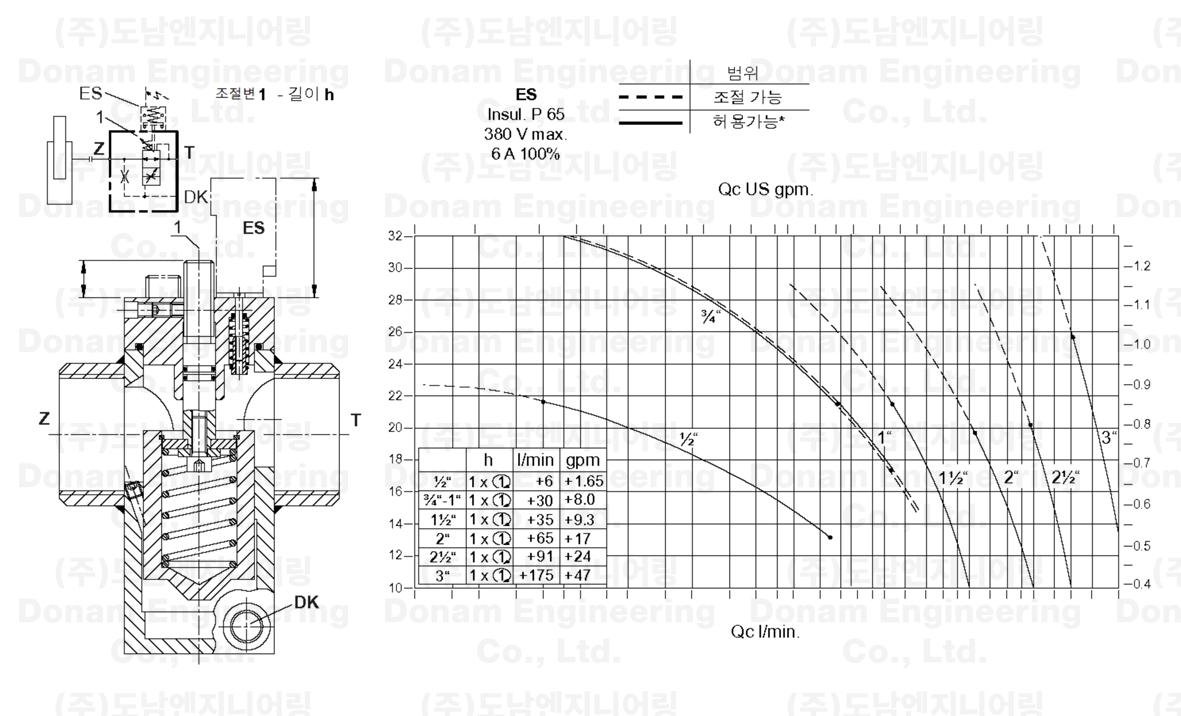
DK Pilot port
In twin-cylinder systems, connecting pilot port 'DK' ensures that all rupture valves close almost simultaneously.
ES Electrical limit switch
The rupture valve can be fitted with an electrical limit switch ES, which operates when the valve closes and serves to send a warning signal or cut off the elevator.
Adjustment
- ‘Closing flow’ adjustment #1. Turning the screw inward makes the valve close at a higher oil flow.
- Deceleration is less than 1 g. For safety reasons it cannot be adjusted.
- The rupture valve can be reopened with the ‘up’ command.
4. Rupture Valve Test
The rupture valve must be tested with a load in the car to confirm that the valve opens and closes between the rated speed and the car's rated downward speed plus 0.3 m/sec (60 fpm).
| Downward flow | Valve closing time |
|---|---|
| About equal to the set closing flow | Closes after a few seconds |
| Well above the set closing flow | Closes within 1~2 seconds |
5. Structure and Flow Control Range by Size
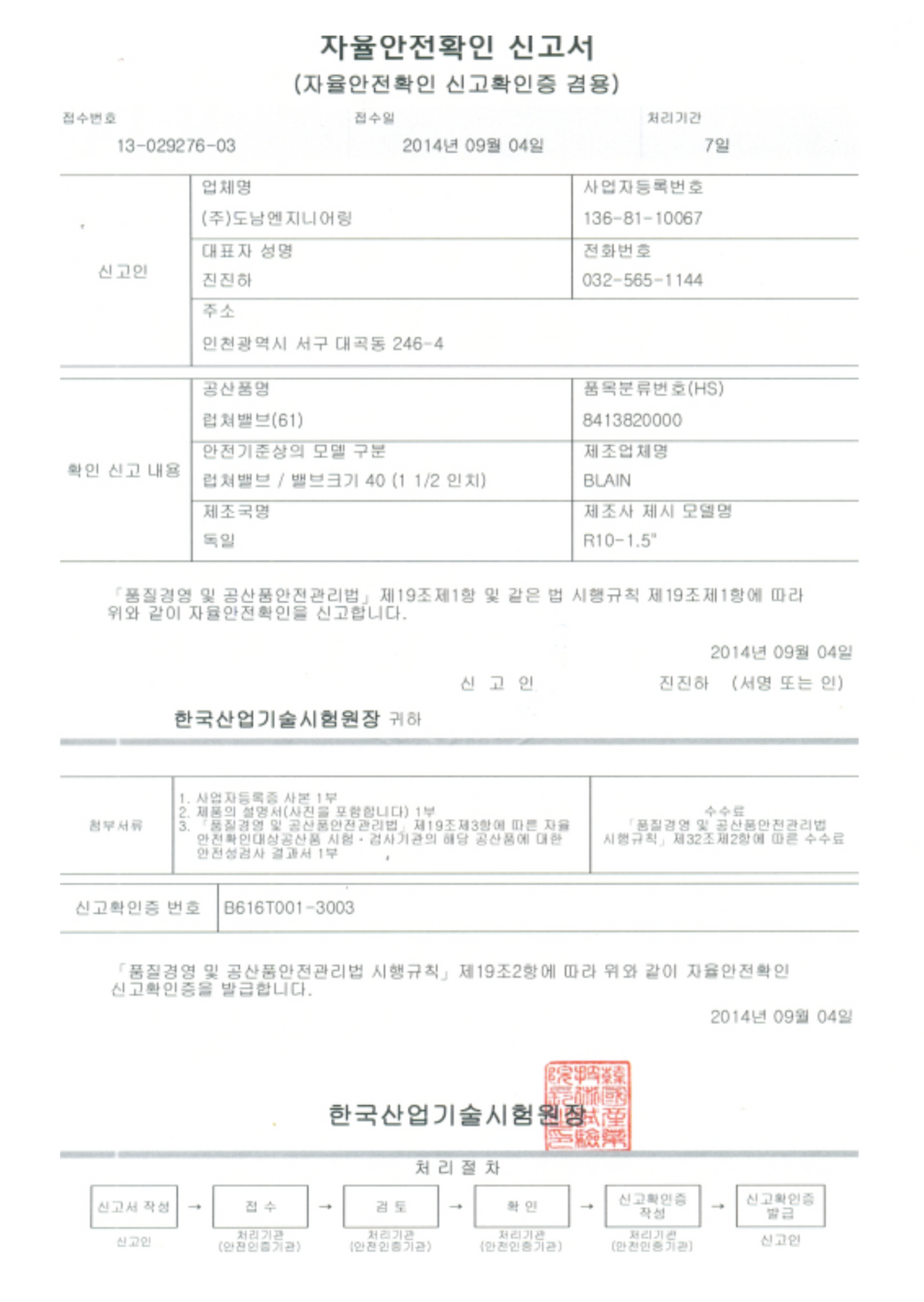
Self-Declaration of Safety Confirmation
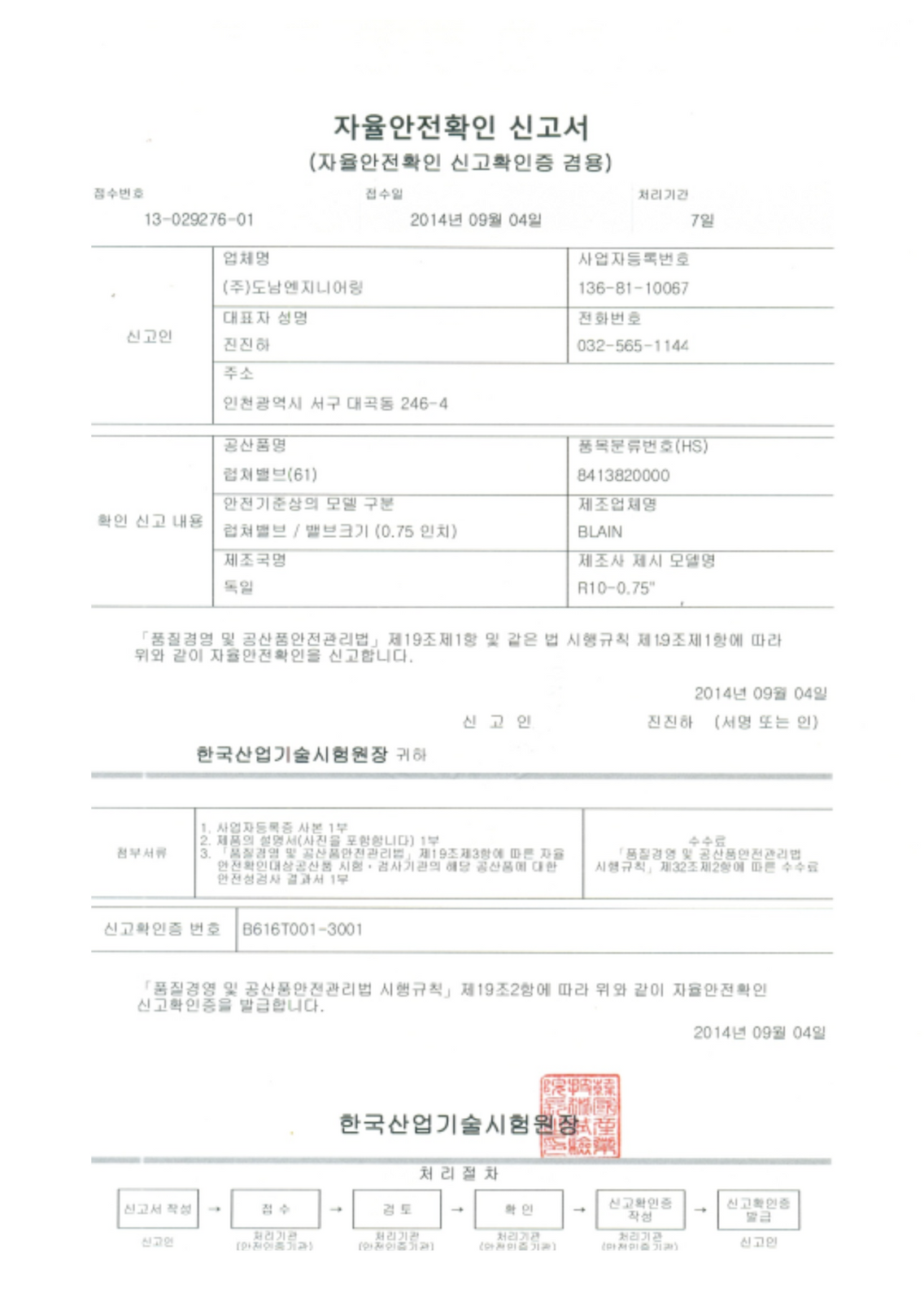
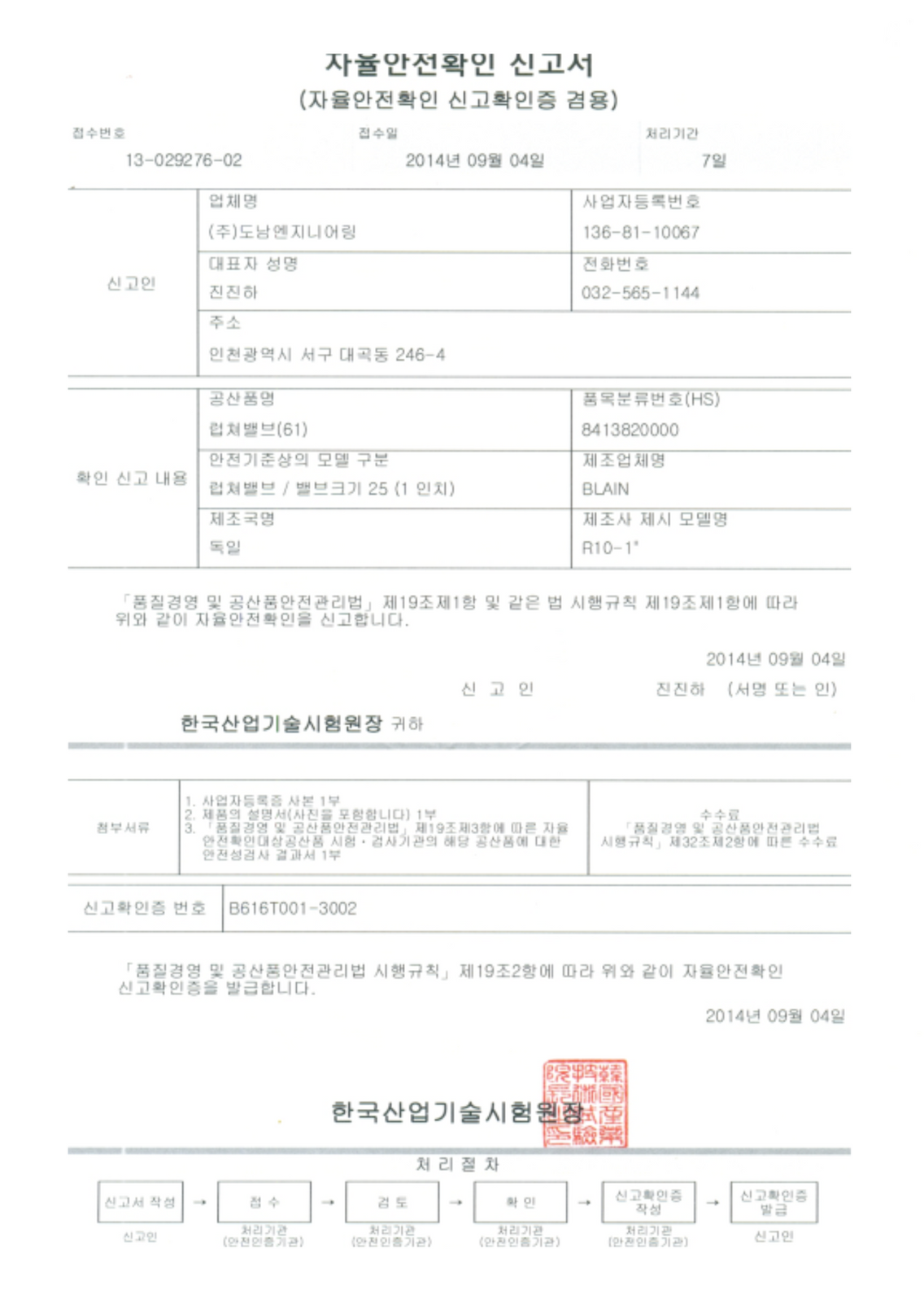
Click an image to enlarge it.